
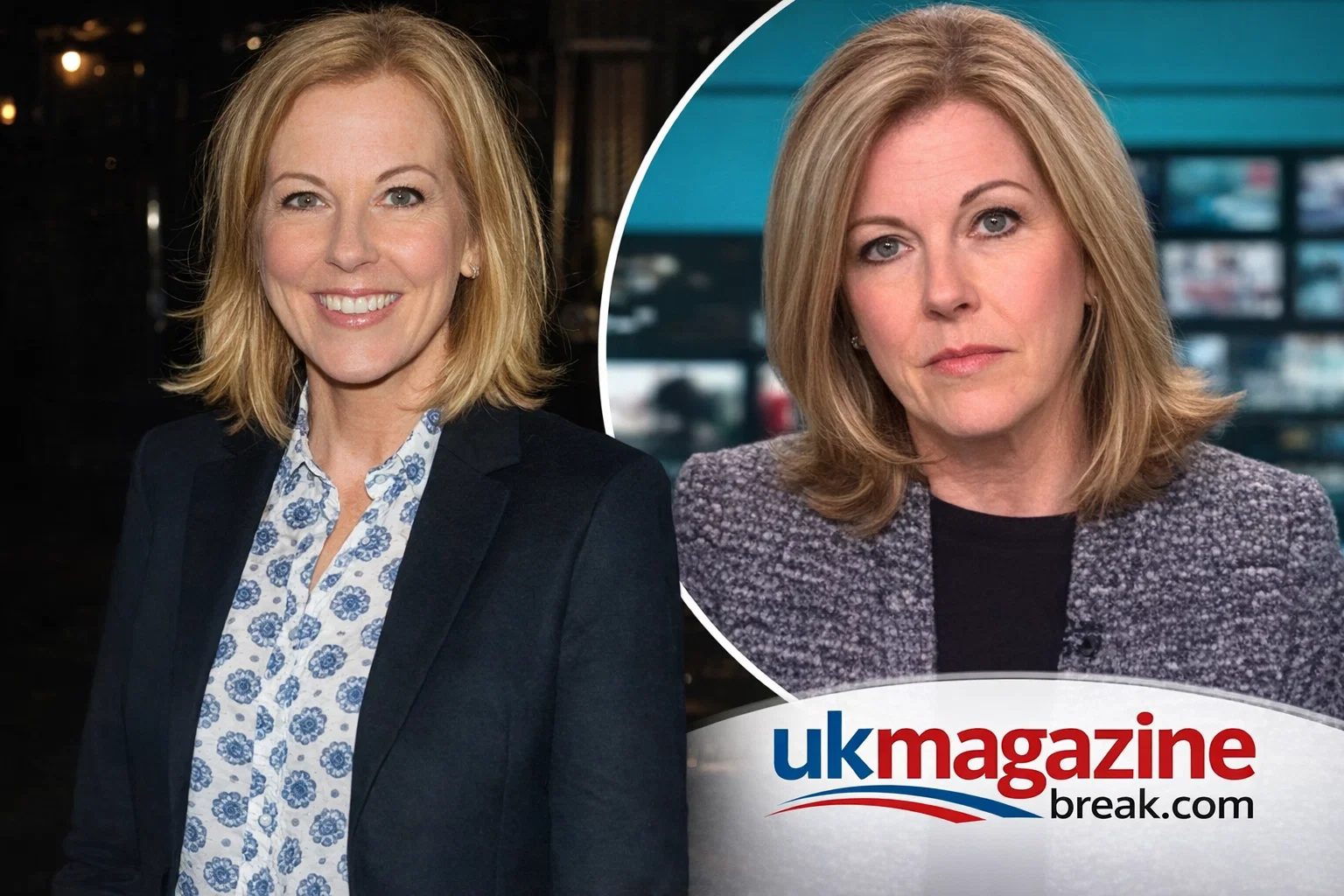
Introduction to Mary Nightingale Ill Health Topic
Mary Nightingale ill has become one of the most searched topics related to British television journalism in recent years. Many viewers of ITV Evening News have shown curiosity about her health condition, especially after noticing small changes in her voice during live broadcasts. Mary Nightingale is a well-known British news presenter and experienced television journalist who has been part of mainstream UK media for decades. Her presence on screen has created strong viewer trust, which is why even small changes in her appearance or voice quickly become a topic of public discussion.
The phrase Mary Nightingale illness update began trending online without any official confirmation from her or ITV. Most of the attention comes from audience speculation rather than verified medical information. In many cases, viewers confuse normal voice variation with serious health problems, especially in live television where long speaking hours can affect vocal performance. This has led to increased searches like is Mary Nightingale sick and Mary Nightingale health news.
In reality, there is no confirmed statement about any major illness. The discussion mainly reflects public curiosity about public figure health and how quickly information spreads in digital media. Mary Nightingale continues to appear on ITV Evening News and maintains her professional responsibilities as a respected UK news anchor.
Quick Bio
| Category | Details |
|---|---|
| Full Name | Mary Nightingale |
| Profession | British news presenter, television journalist |
| Main Program | ITV Evening News |
| Public Topic | Mary Nightingale ill, voice strain rumors |
| Reported Concern | Voice fatigue, hoarseness, stress-related discussion |
| Confirmed Illness | No verified serious illness reported |
| Common Speculation | Functional dysphonia, vocal strain, stress-related voice issues |
| Possible Cause Factors | Live broadcasting stress, long speaking hours, work pressure |
| Medical Terms Mentioned | Laryngoscopy, vocal cord examination, medical testing |
| Possible Conditions Discussed | Functional voice disorder, psychosomatic condition |
| Treatment Methods | Voice therapy, speech therapy, vocal rest |
| Recovery Approach | Stress management, hydration, controlled voice use |
| Media Reaction | Health rumors, media speculation, viewer concern |
| Official Status | Still active on ITV Evening News |
| Health Privacy Status | No official personal medical disclosure |
| Reality Check | Mostly rumors, no confirmed illness |
Career Journey of Mary Nightingale in British Media
Mary Nightingale built her career gradually through consistent work in journalism and broadcasting. She started her journey in television reporting and later moved into national news presenting. Over time, she became one of the most recognized television journalists in the United Kingdom. Her professional path reflects long-term dedication to broadcasting career development and on-air performance excellence.
She worked across several media platforms before becoming a lead presenter at ITV Evening News. Her ability to deliver news with clarity and calm presentation style made her a trusted face in British households. Many viewers associate her voice and presence with credibility and stability in news reporting. This trust has played a major role in making her a long-standing figure in UK news media.
Her role in ITV also placed her in high-pressure live broadcasting environments where accuracy and timing are essential. These conditions often require long hours of speaking, quick transitions between news segments, and emotional control during serious news events. Such responsibilities naturally contribute to vocal strain and professional stress, which are common in the television industry.
Rise at ITV Evening News and Public Recognition
Mary Nightingale’s rise at ITV Evening News marked a major stage in her career. She became one of the primary anchors responsible for delivering national and international news to millions of viewers. Her consistent presence on screen helped build strong recognition among the audience, making her one of the most familiar faces in British broadcasting.
Over time, viewers began associating her with reliability and professionalism. This strong public image also contributed to increased attention whenever any change in her appearance or voice was noticed. The ITV presenter health topic started circulating when audiences speculated about slight variations in her voice tone during live broadcasts.
Such changes are not unusual in broadcasting. News presenters often work under pressure, and long speaking sessions can naturally affect voice quality. However, because of her popularity, even minor changes led to online discussions and media speculation. This shows how public perception can be influenced by familiarity and visibility in television journalism.
Origin of Mary Nightingale Illness Rumors
The origin of Mary Nightingale illness discussions can be traced to social media platforms and online news commentary. There was no official announcement or verified report that started these rumors. Instead, viewers began noticing changes in her voice during certain broadcasts and started discussing possible explanations online.
Some posts suggested stress-related illness or vocal fatigue, while others incorrectly assumed more serious health concerns. These discussions spread quickly due to the nature of digital media. Once a topic gains attention, it is often repeated without fact-checking, leading to media misinformation.
It is important to understand that live television presenters frequently experience voice variation due to long speaking hours, studio conditions, and work pressure. These natural factors are often misinterpreted as medical problems. In Mary Nightingale’s case, no confirmed evidence supports claims of any serious illness.
Voice Strain and Broadcasting Pressure Explained
Voice strain is a common issue among television journalists and news presenters. Mary Nightingale, as a long-serving broadcaster, has worked in environments that require continuous speaking for extended periods. This can lead to vocal fatigue, hoarseness, and temporary changes in voice tone.
Live broadcasting stress also plays a major role in vocal performance. Presenters must maintain clarity while reading complex scripts, reacting to breaking news, and managing timing requirements. This constant pressure can affect the throat and vocal cords over time.
Common issues experienced in broadcasting include hoarseness, mild throat discomfort, and temporary voice fatigue. These conditions are usually not serious and often resolve with rest and proper voice care. However, when noticed by a large audience, they can become a topic of public speculation about health conditions.
Possible Medical Explanations and Voice Conditions
In some cases, voice-related issues in presenters are linked to functional dysphonia. This is a condition where the voice does not function properly without any visible physical damage to the vocal cords. It is often associated with stress disorder, anxiety, or overuse of the voice.
Medical professionals may recommend laryngoscopy to examine the vocal cords and rule out any structural problems. This type of medical testing helps identify throat conditions or vocal cord irritation. In most cases involving broadcasters, results show no serious damage.
Specialist treatment may include voice therapy, rest, and controlled speaking exercises. Speech therapy sessions are designed to improve vocal strength and reduce strain. These methods are commonly used in speech pathology treatment for professionals who rely heavily on their voice.
Voice Therapy and Recovery Methods
Voice therapy plays an important role in managing vocal strain. If a presenter experiences voice fatigue, treatment focuses on restoring natural vocal function rather than using medication. Speech therapists guide individuals through exercises that improve breathing, pitch control, and vocal endurance.
A recovery journey often involves reducing speaking load temporarily, maintaining hydration, and avoiding excessive strain. These simple methods help the vocal cords recover naturally. In broadcasting careers, such recovery steps are normal and often planned around work schedules.
Many television professionals follow preventive routines to avoid long-term voice issues. These include controlled speaking techniques, regular vocal rest, and stress management practices. These methods help maintain long-term on-air performance quality.
Stress, Mental Pressure and Media Workload
The role of a television journalist involves constant mental pressure. News presenters must remain calm while delivering serious or breaking news stories. This emotional control can contribute to mental health stress over time.
Live broadcasting stress includes strict timing, unexpected news changes, and high viewer expectations. These conditions require strong focus and emotional balance. Over time, this pressure can affect both mental and physical health, including voice fatigue and stress-related symptoms.
Work pressure in the media industry is often underestimated by viewers. Continuous performance demands can lead to psychosomatic conditions, where stress affects physical well-being. However, experienced presenters like Mary Nightingale develop coping mechanisms to manage these challenges effectively.
Media Speculation and Viewer Concern
Public concern about Mary Nightingale health condition grew mainly due to online discussions rather than official news. Social media platforms amplified small observations into larger discussions. Some viewers expressed genuine concern, while others repeated unverified claims.
Media speculation often grows when a public figure has a long-standing presence on television. In such cases, audiences feel a personal connection and quickly notice any change. This emotional connection can lead to exaggerated interpretations of normal variations in voice or appearance.
Viewer concern is natural, but it can sometimes lead to misunderstanding when not supported by factual information. Responsible reporting and fact-checking are important to prevent unnecessary panic or confusion.
Truth Behind Cancer Rumours and Health Scares
Some online discussions incorrectly linked Mary Nightingale’s health to serious conditions like cancer. These claims are not supported by any verified medical reports or official statements. There is no evidence confirming such diagnoses.
These cancer rumours likely originated from misinterpretation of voice changes and general health speculation. In broadcasting, voice fatigue is common and does not indicate serious illness. Misleading assumptions can quickly spread online when not checked properly.
Health scares involving public figures highlight how easily misinformation can circulate in digital spaces. It also shows the importance of relying on confirmed sources rather than speculation.
Professional Resilience in Broadcasting Career
Mary Nightingale continues to work actively on ITV Evening News. Her ongoing presence reflects strong professional resilience and commitment to journalism. Despite online discussions, she has maintained her role as a trusted news presenter.
Her long broadcasting career demonstrates consistency and dedication. Remaining active in live television requires discipline, adaptability, and strong communication skills. She continues to meet these demands effectively.
This stability also shows that rumors about serious illness are not affecting her professional responsibilities. Her continued work reinforces public trust in her as a reliable UK news anchor.
Health Privacy and Media Responsibility
Health privacy is an important issue when discussing public figures. While audiences may show interest in celebrity health speculation, personal medical details should remain confidential unless officially shared.
Media organizations have a responsibility to avoid spreading unverified information. Incorrect reporting can create unnecessary concern and affect both the individual and public perception. Ethical journalism requires careful verification before publishing health-related claims.
Respecting privacy helps maintain trust between media and audience. It also ensures that individuals are not misrepresented based on assumptions or incomplete information.
Impact of Public Interest on Career Image
Public interest in Mary Nightingale illness discussions has influenced online search trends and social media conversations. Even without confirmed health issues, repeated speculation can shape public perception.
However, her consistent appearance on ITV Evening News helps maintain a strong professional image. Viewers continue to recognize her as a reliable and experienced television journalist.
This situation reflects how public figures often balance visibility with privacy. Media attention can create narratives that are not always aligned with reality, but professional consistency helps maintain credibility.
Current Status and Health Update Reality
At present, there is no verified information suggesting any serious health condition affecting Mary Nightingale. She continues her role as a presenter on ITV Evening News without any confirmed interruption.
Reports of throat problems or major voice disorder remain unconfirmed and are largely based on speculation. Minor voice changes, if any, are consistent with normal broadcasting strain.
Her continued activity in live news presenting indicates stable professional and personal health status based on available information.
Conclusion: What We Know About Mary Nightingale Ill
The topic Mary Nightingale ill is largely driven by online curiosity and media speculation rather than confirmed medical facts. Mary Nightingale remains an active and respected television journalist with a long-standing career in British broadcasting.
Like many professionals in live television, she may experience temporary voice strain due to work pressure and continuous speaking. These effects are common and usually manageable with proper care and rest.
There is no verified evidence of any serious illness. The ongoing discussion highlights how quickly health rumors can spread in digital media environments. Accurate reporting and respect for privacy remain important when discussing public figures and their personal well-being.
FAQs
1. Is Mary Nightingale suffering from any illness?
There is no confirmed information suggesting any serious illness affecting her health.
2. Why do people search Mary Nightingale illness?
Search interest increased due to voice changes noticed during live broadcasts and online speculation.
3. Does Mary Nightingale have a voice disorder?
There is no official confirmation, although voice strain is common in broadcasting careers.
4. What is functional dysphonia?
It is a voice condition linked to stress or overuse of vocal cords without physical damage.
5. Is Mary Nightingale still active on ITV?
Yes, she continues to present ITV Evening News regularly.
